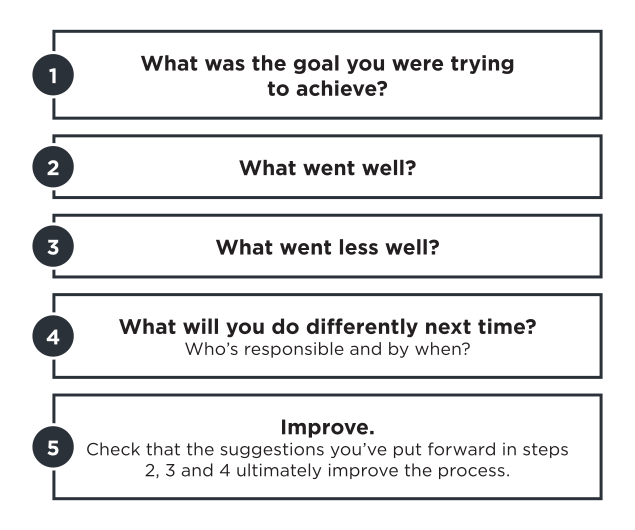
Debriefing is the best way to learn from what’s gone well and what’s gone less well. Most importantly, it’s the best thing that can be done to stop an issue repeating because it makes you stop, reflect and take action.
It takes 10 minutes and anyone can do it.
Guidance for leading a debrief:
Be clear on the goals that you were trying to achieve and if these were/were not met.
Remember, debriefs focus on the FACTS. This will help you to work quickly through the different sections.
Always allow and encourage the attendees to give feedback in a section before adding any additional points of your own. Get your team as involved as possible. The person leading the debrief’s primary role is to facilitate these conversations.
Any points for what could be done differently next time should be written as actions and have a name and date assigned. Agree these during the debrief.
Try and keep your Debrief to 10-20 minutes. The faster you can have these effective conversations, the easier they are to fit into the working day and the more opportunities you will have to celebrate the things that have gone well and make changes where we can see that things can improve.